· 2 min read · Emre Meriç
Habits from the studio: notes on studying interior architecture
Habits we picked up studying interior architecture at Mimar Sinan Fine Arts University and still use every day: juries, models, measurement and critique.
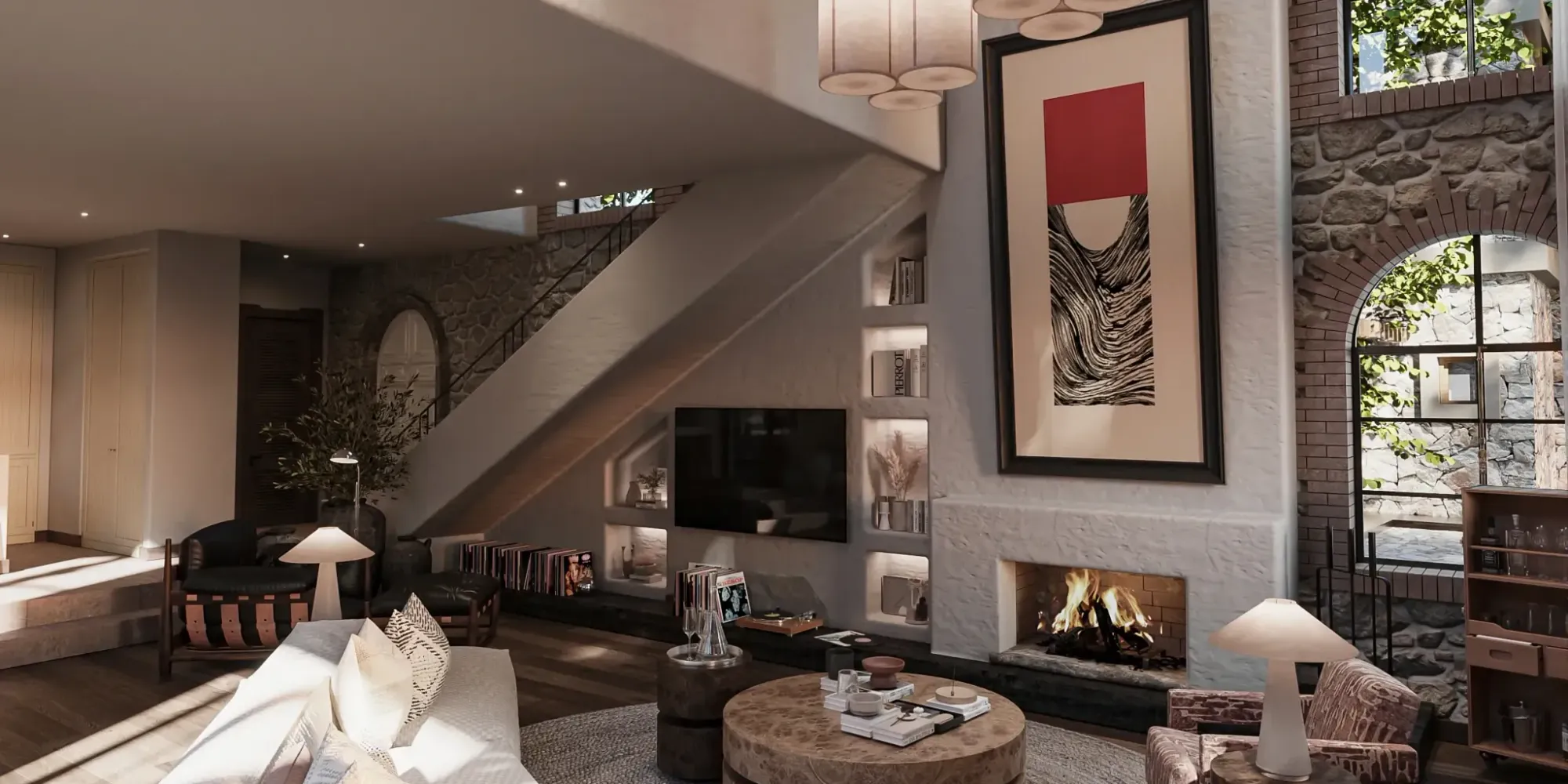
What stays with you after architecture school? Lecture notes fade quickly and software changes every few years. What remains are the small habits repeated in the studio, term after term. Here we note a few that we have carried forward from Emre Meriç’s years in the Department of Interior Architecture at Mimar Sinan Fine Arts University.
The jury: learning to defend an idea
Studio teaching revolves around the jury. Explaining a week of work in a few minutes and then listening to criticism is never easy. But the jury taught us two things: an idea is worth as much as we can explain it clearly to someone else, and criticism is aimed at the idea, not the person.
Before a presentation today we still ask ourselves jury questions. What is the reason behind this decision? What will someone see first when they walk in? What is missing from the drawings that we will run into on site?
The model: thinking with your hands
On screen anything is possible; a model has gravity. Trying to keep a cardboard wall standing, counting the steps of a stair or watching light fall through an opening, we understand space differently. A model is the cheapest way to test whether an idea really works.
So when we face a complicated section or a difficult stair today, the first thing we do is still a rough working model. It does not have to be beautiful; it only has to be honest.
Measurement: the body as reference
Perhaps the most lasting lesson of interior architecture school is measurement. The height of a door handle, the depth of a counter, the distance between two armchairs: all of it comes from the human body. Dimensions memorised at school slowly become intuition. Opening a plan, we can now feel what is too tight or needlessly generous without doing the maths.
To keep that intuition alive we still carry a tape measure. Measuring and noting a stair riser, a window sill or a seat height in a space we admire is one of the most useful habits school gave us.
Critique: seeing your own work from outside
The hardest thing in the studio was looking at our own drawings through someone else’s eyes. That is why it helps to put a project aside for a few days and reopen it, or to ask a colleague what they see. The desk critiques we hold within the team today continue those short, honest conversations from school.
After school
School did not give us a profession so much as a way of looking. It is where we learned to question material, light and proportion, and to judge a space not only by how it looks but by how it is lived in. Our advice to recent graduates and students is simple: don’t sacrifice the habits you formed in the studio to the pace of office life. They are what will carry you in the long run.
- design education
- Mimar Sinan Fine Arts University
- studio culture